
Indications
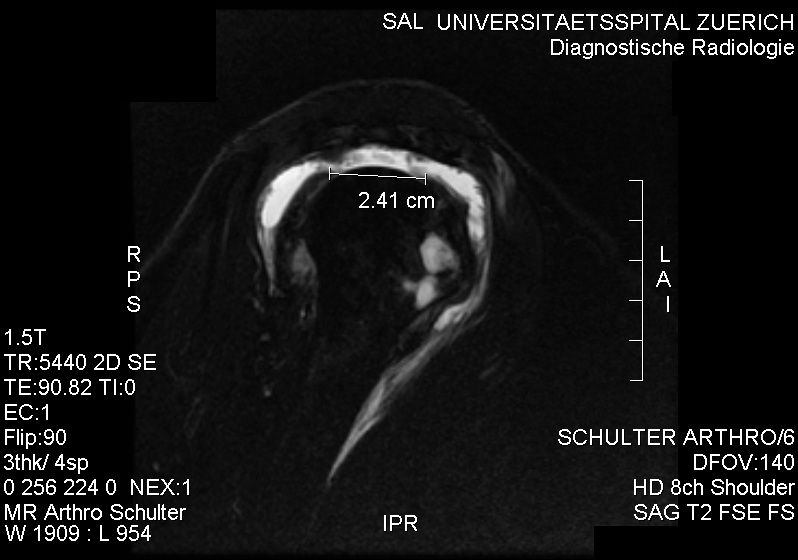
- Diagnostic arthroscopy for unexplained mechanical symptoms
- Subacromial decompression is no better than placebo surgery for impingement (CSAW, Lancet 2018)
- Acromioclavicular joint excision for symptomatic ACJ arthritis
- Calcific tendinitis not responding to injection or barbotage
- Biopsy and synovectomy
Position
- Beach chair or lateral decubitus with traction
- Beach chair gives a familiar orientation and easy conversion to open surgery
- Lateral decubitus improves glenohumeral access
- Controlled hypotension and pump pressure reduce bleeding
Operative Steps
- Posterior portal about 2 cm inferior and 1 cm medial to the posterolateral acromion
- Anterior portal through the rotator interval
- Inspect biceps, labrum, cuff undersurface, subscapularis, glenoid and humeral head
- Lateral portal for the subacromial space and bursectomy
- Release the coracoacromial ligament and flatten the acromial undersurface
- Excise 5 to 10 mm of distal clavicle, preserving the superior and posterior ACJ capsule
- Mark landmarks before swelling distorts them
- Use a spinal needle to plan portal position
Postoperative Care
- Sling for comfort, early motion
- Physiotherapy for range and scapular control
- Return to most activities by 6 to 12 weeks
Complications
- Stiffness
- Infection
- Axillary nerve injury
- ACJ instability after excessive resection
- Fluid extravasation
- Infection with Cutibacterium acnes
- Chondrolysis from intra-articular infusions
- Axillary nerve injury with low lateral portals
Related Pages
Reviewed by Professor Phong Tran, Head of Orthopaedic Surgery, Western Health. Last updated 10 October 2026.