
Indications
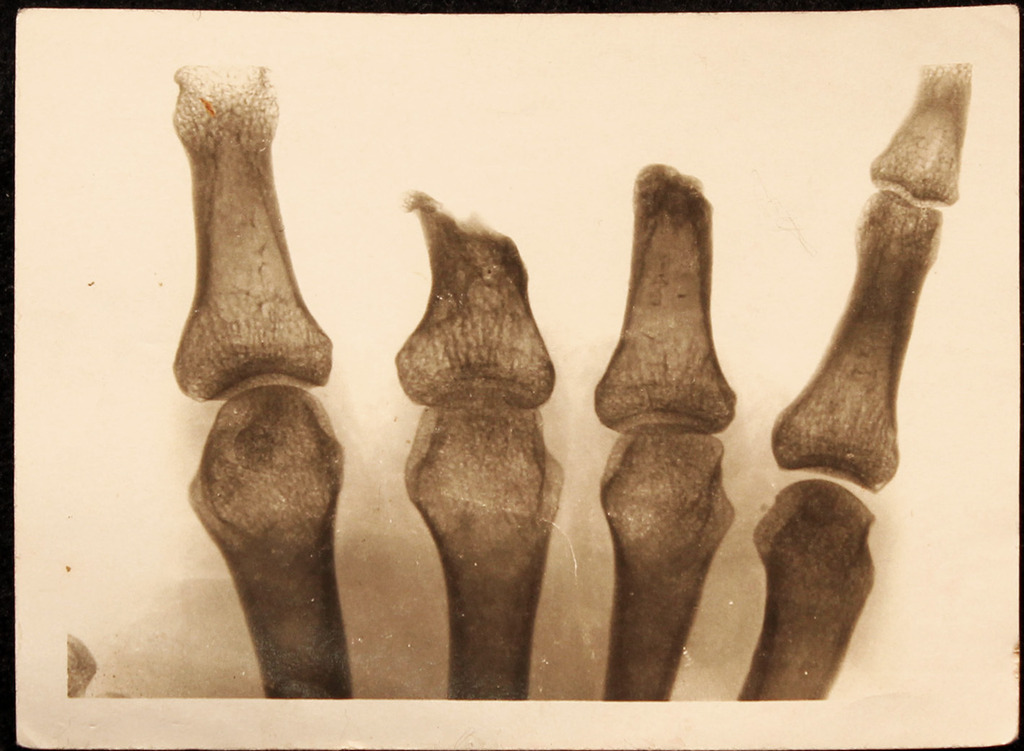
- Unsalvageable crush or replantation not indicated
- Tumour and uncontrolled infection
- Painful stiff finger after failed reconstruction
- Fingertip injuries with exposed bone where flaps are not suitable
- Patient occupation, hand dominance and preferences guide the level
Position
- Supine, hand table, digital or forearm tourniquet
Operative Steps
- Preserve length, above all in the thumb
- Volar flap preferred for padding
- Shorten bone to allow tension free closure and smooth the condyles
- Pull digital nerves distally, cut sharply and allow retraction
- Do not suture flexor to extensor tendons
- Amputation distal to the FDS insertion keeps active PIP flexion
- Ray amputation for proximal index amputations
- Fingertip injuries are classified by the angle and level of loss to choose closure or flap
- Remove the nail bed remnant to prevent nail spikes when distal to the lunula
- Amputation through the DIP joint, remove the condyle prominences and the volar plate
Postoperative Care
- Early motion and desensitisation
- Hand therapy
- Dressings until the wound heals at 2 to 3 weeks
- Return to work depends on occupation
- Prosthetic fingers for cosmesis
Complications
- Painful neuroma and cold intolerance
- Quadriga, limited flexion of adjacent fingers from a tethered FDP
- Lumbrical plus finger, paradoxical extension from a retracted FDP
- Nail spike and hook nail deformity
- Infection and wound breakdown
- Stiffness of adjacent fingers
Related Pages
Reviewed by Professor Phong Tran, Head of Orthopaedic Surgery, Western Health. Last updated 10 October 2026.