
Epidemiology
- Incidence of paediatric ACL rupture is rising with sports participation
- Higher risk in adolescent girls
- Younger children more often sustain tibial spine avulsion fractures
Clinical Features
- Twisting injury with pop, early haemarthrosis and instability
- Positive Lachman and pivot shift tests
- Associated meniscal tears and chondral injury
Investigations
- Radiographs to exclude tibial spine avulsion and physeal fracture
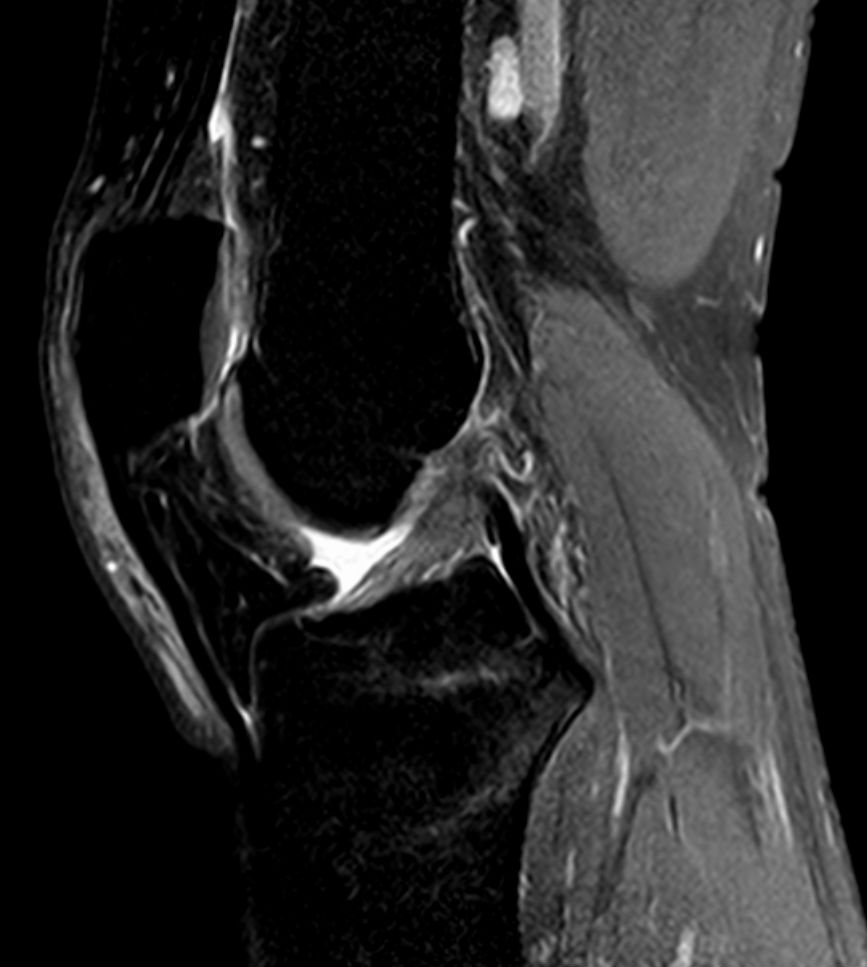
- MRI confirms ACL rupture and associated injuries
- Hand radiograph for bone age
- Tanner staging and growth history estimate remaining growth
Management
- Non operative treatment with bracing and activity restriction is poorly tolerated
- Delayed reconstruction increases meniscal and chondral damage
- Reconstruction is favoured in active children with instability
- Prepubescent children, physeal sparing reconstruction
- Physeal sparing options, all epiphyseal or extra and intra articular ITB technique of Micheli and Kocher
- Adolescents with growth remaining, partial transphyseal or transphyseal reconstruction
- Transphyseal tunnels should be small, central and vertical
- Use soft tissue grafts, avoid bone blocks or hardware across the physis
- Avoid the tibial tubercle apophysis and the lateral femoral perichondral ring
- Near maturity, adult techniques
- Lateral extra articular tenodesis reduced graft failure in high risk young patients in STABILITY
- Delay return to sport until at least 9 months with criteria based testing
Complications
- Physeal arrest causing leg length discrepancy
- Angular deformity, femoral valgus from lateral physeal damage
- Recurvatum from tibial tubercle damage
- Graft rupture, higher than in adults
- Contralateral ACL rupture
- Arthrofibrosis
Prognosis
- Good function in most children after reconstruction
- Monitor growth with leg length radiographs after surgery until maturity
Reviewed by Professor Phong Tran, Head of Orthopaedic Surgery, Western Health. Last updated 10 October 2026.