
Indications
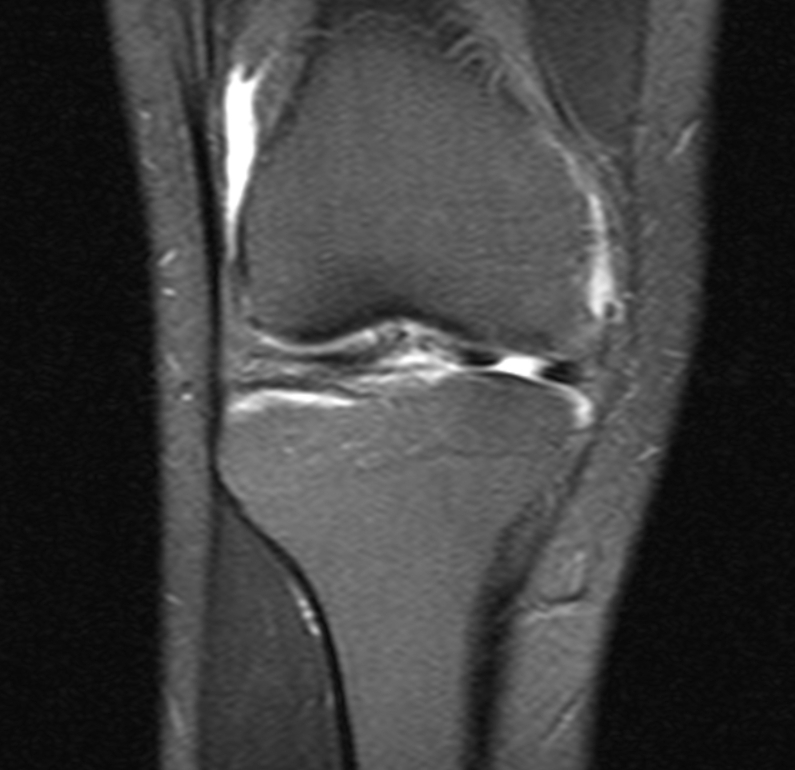
- Mechanical symptoms from a displaced meniscal tear or loose body
- Meniscal repair for peripheral longitudinal tears in the red zone, above all in young patients and with ACL reconstruction
- Partial meniscectomy for degenerative tears is no better than sham surgery (FIDELITY, NEJM 2013)
- Meniscal repair for peripheral vertical tears in the red zone, especially with ACL reconstruction
Position
- Supine with lateral post or leg holder, tourniquet available
- Lateral post or leg holder for valgus stress
Operative Steps
- Anterolateral portal in the soft spot beside the patellar tendon, about 1 cm above the joint line
- Anteromedial portal placed under vision with a needle
- Systematic inspection of suprapatellar pouch, patellofemoral joint, gutters, medial compartment, notch and lateral compartment in figure of four
- Partial meniscectomy back to a stable rim
- Repair with all inside devices, or inside out sutures
- Inside out repair needs a posteromedial incision protecting the saphenous nerve or a posterolateral incision anterior to biceps protecting the peroneal nerve
Postoperative Care
- Meniscectomy, weight bear as tolerated
- Repair, brace and restricted flexion for about 6 weeks
- Weight bearing as tolerated after meniscectomy
Complications
- Infection and VTE
- Iatrogenic cartilage damage
- Saphenous and peroneal nerve injury
- Failure of repair
- Saphenous nerve injury with medial repair
Related Pages
Reviewed by Professor Phong Tran, Head of Orthopaedic Surgery, Western Health. Last updated 10 October 2026.