
Definition
- Forefoot adduction with hindfoot valgus, giving an S shaped foot
- Midfoot abduction with lateral talonavicular subluxation links the two deformities
- Also called serpentine or Z foot
Aetiology
- Congenital idiopathic form
- Iatrogenic after casting of metatarsus adductus or clubfoot with the heel forced into valgus
- Associated with myelomeningocele and some syndromes
Epidemiology
- Uncommon
- Natural history unknown
Clinical Features
- Abnormal shoe wear and gait
- Pain and callus under the plantar medial talar head
- Pain and callus at the base of the fifth metatarsal
- Tight tendo Achillis is frequent
- Hindfoot valgus visible on standing from behind
Investigations
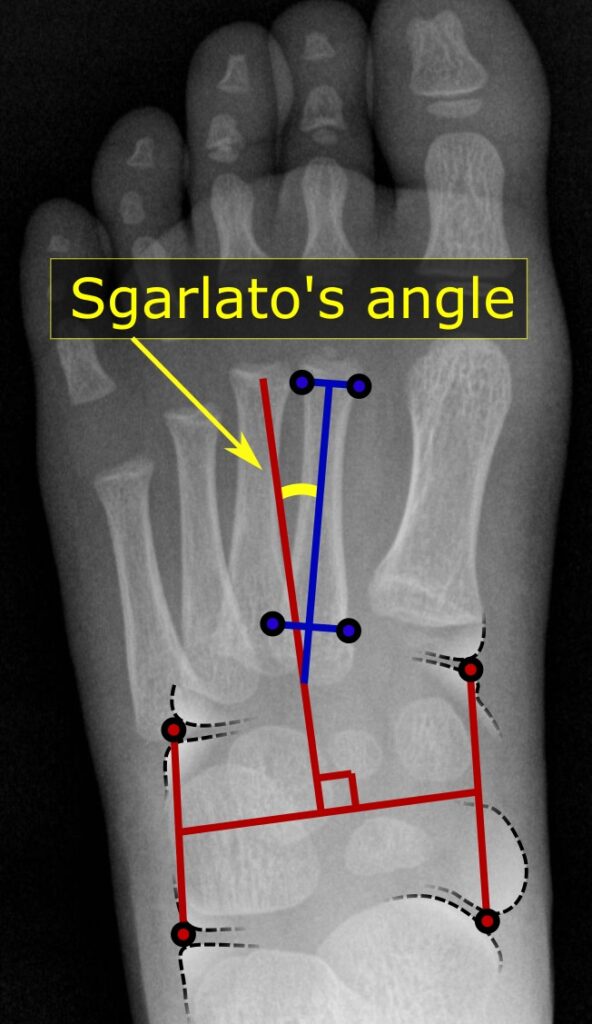
- Standing AP and lateral foot radiographs
- AP shows metatarsus adductus with increased talocalcaneal angle
- Lateral shows plantarflexed talus with sag at the talonavicular joint
Differential Diagnosis
- Metatarsus adductus with neutral hindfoot
- Flexible flatfoot
- Residual clubfoot
Management
- Treatment unclear, no proven non operative method
- Observation and shoe modification for the painless foot
- Avoid casting metatarsus adductus when hindfoot valgus is present
- Surgery for persistent pain after failed non operative care
- Calcaneal lengthening osteotomy corrects hindfoot valgus and midfoot abduction (Mosca)
- Medial cuneiform opening wedge osteotomy corrects forefoot adduction
- Gastrocnemius recession or tendo Achillis lengthening for equinus
Complications
- Undercorrection or recurrence
- Calcaneocuboid subluxation after calcaneal lengthening
Reviewed by Professor Phong Tran, Head of Orthopaedic Surgery, Western Health. Last updated 10 October 2026.