
Definition
- Any change from the normal gait pattern for age, with or without pain
Differential Diagnosis
| Age | Causes |
|---|---|
| 1 to 3 years | Toddler fracture, septic arthritis, DDH, non-accidental injury, cerebral palsy |
| 4 to 10 years | Transient synovitis, Perthes disease, septic arthritis, discitis, juvenile idiopathic arthritis |
| 11 to 16 years | SUFE, osteochondritis dissecans, overuse and apophysitis, tumour |
- Leukaemia and neuroblastoma can present with limp and bone pain at any age
Clinical Features
- Antalgic gait shortens stance phase on the painful side
- Trendelenburg gait points to hip abductor weakness or hip instability
- Hip pathology often presents with knee pain
- Examine the spine, abdomen, hips, knees and feet
- Red flags are fever, night pain, refusal to bear weight, weight loss and unexplained bruising
Investigations
- FBC, CRP, ESR and blood cultures when infection is possible
- X-ray of the symptomatic region, with AP and frog leg lateral pelvis for hip symptoms
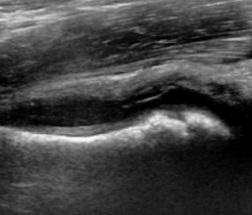
- Ultrasound to detect a hip effusion and guide aspiration
- MRI when the cause remains unclear
- Ultrasound for hip effusion
- MRI when examination localises the problem but radiographs are normal
- Kocher criteria help separate septic arthritis from transient synovitis
Related Pages
- Transient Synovitis of the Hip
- Legg-Calve-Perthes Disease
- Slipped Upper Femoral Epiphysis | SUFE
- Septic Arthritis in Children
- Paediatric Discitis
- Non-Accidental Injury
Reviewed by Professor Phong Tran, Head of Orthopaedic Surgery, Western Health. Last updated 10 October 2026.