
Definition
- Self limiting nonspecific synovial inflammation of the hip
- Most common cause of acute hip pain in childhood
Aetiology
- Unknown, often follows a viral upper respiratory tract infection
Epidemiology
- Peak age 3 to 8 years
- Boys affected about twice as often as girls
Clinical Features
- Acute monoarticular hip pain with limp or reluctance to weight bear
- Reduced ROM, internal rotation most limited
- Hip rests flexed, abducted and externally rotated to maximise capsular volume
- Child not systemically ill, afebrile or low grade fever
- Pain may refer to the thigh or knee
Investigations
- WCC, ESR and CRP normal or mildly raised
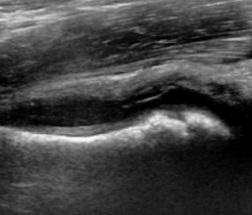
- Ultrasound confirms effusion but cannot distinguish sepsis
- Radiographs exclude Perthes disease, SUFE, fracture and tumour
- Ultrasound guided aspiration when septic arthritis cannot be excluded
Differential Diagnosis
Kocher criteria for septic arthritis
| Criterion | Threshold |
|---|---|
| Non weight bearing | |
| Temperature | Over 38.5 degrees |
| ESR | Over 40 mm/h |
| WCC | Over 12 x 10^9/L |
| CRP (Caird) | Over 20 mg/L adds predictive value |
| Criteria present | Predicted probability of sepsis |
|---|---|
| 1 | 3% |
| 2 | 40% |
| 3 | 93% |
| 4 | 99.6% |
Other conditions
- Osteomyelitis of the proximal femur or pelvis
- Perthes disease and SUFE
- JIA, reactive arthritis, leukaemia and neuroblastoma
Management
- Rest and NSAIDs
- Review at 24 to 48 hours, reassess for sepsis if worse
- Gradual return to activity once pain settles
Prognosis
- Resolves within 1 to 2 weeks in most children
- Recurrence in a minority
- Repeat radiographs if symptoms persist, to detect early Perthes disease
Reviewed by Professor Phong Tran, Head of Orthopaedic Surgery, Western Health. Last updated 10 October 2026.