
Definition
- Benign fibrous histiocytoma of bone is a rare benign lesion
- Malignant fibrous histiocytoma (MFH) is obsolete
- MFH is now undifferentiated pleomorphic sarcoma (UPS)
Pathology
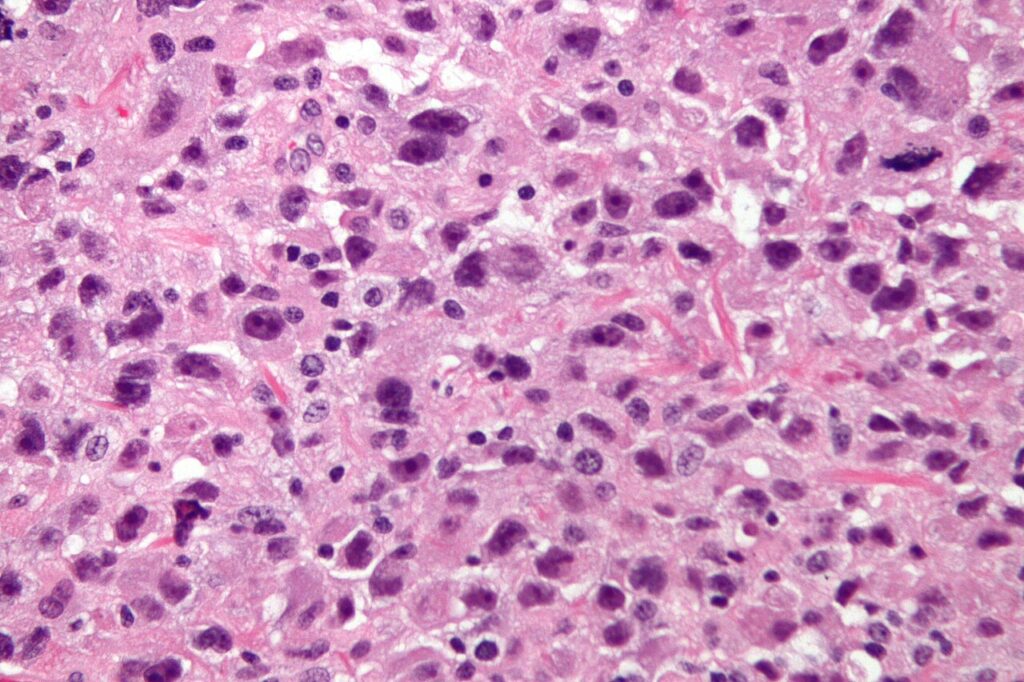
- Benign fibrous histiocytoma is histologically identical to non-ossifying fibroma (NOF)
- Separated from NOF on clinical and radiological grounds
- Most tumours once called MFH are other specific sarcomas on modern testing
- UPS is a diagnosis of exclusion
- UPS shows pleomorphic cells, bizarre multinucleated cells, atypical mitoses and necrosis
Clinical Features
- Benign fibrous histiocytoma affects adults older than the NOF age group
- Benign lesions are often painful, in pelvis, ribs, spine or long bone ends
- Soft tissue UPS is among the commonest sarcomas of later adult life
- Large, deep, painless mass in the thigh or proximal limb
- Bone UPS is rare, affecting older adults in femur, tibia and humerus
- Bone UPS may arise in Paget disease, bone infarcts or irradiated bone
Investigations
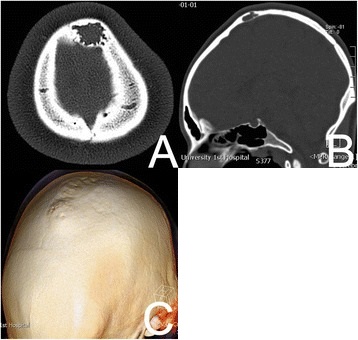
- Benign lesion is well defined and lytic, often with a sclerotic rim
- Benign lesion mimics giant cell tumour at long bone ends
- Bone UPS is permeative or moth-eaten with cortical destruction and soft tissue mass
- MRI for local extent, CT chest and bone scan or PET for staging
- Biopsy at a sarcoma centre
Management
- Curettage and grafting for benign fibrous histiocytoma, given recurrence risk
- Wide excision with radiotherapy for soft tissue UPS
- Chemotherapy for selected high risk patients
- Bone UPS treated along osteosarcoma lines with chemotherapy and wide resection
- Pathological fracture complicates local control and may lead to amputation
Prognosis
- UPS is high grade with a risk of lung metastasis
- Large size, deep site, positive margins and older age are adverse
- Bone UPS fares worse than soft tissue UPS
Reviewed by Professor Phong Tran, Head of Orthopaedic Surgery, Western Health. Last updated 10 October 2026.