
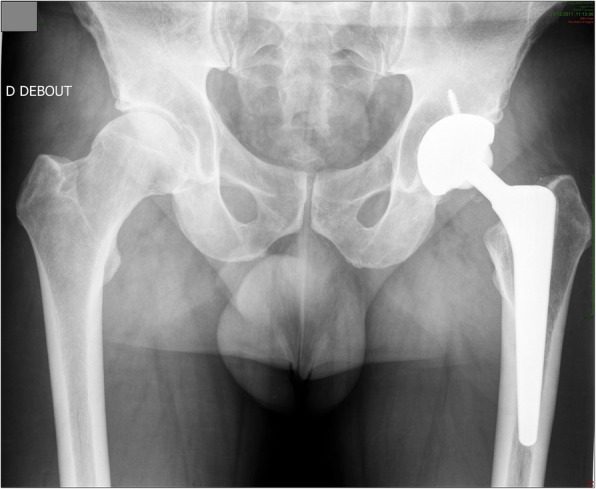
Overview
- High pitched noise, mostly with ceramic on ceramic bearings
- Pooled rates about 2 to 3% in ceramic on ceramic THR, varying with implant design
- Edge loading, stripe wear, lost fluid film, third body particles and stem resonance
- Younger, more active, taller and heavier patients at higher risk
- Most squeaking is painless and needs no surgery
- Revise for persistent distressing noise, malposition, ceramic fracture or impingement
Epidemiology
- Mainly ceramic on ceramic, also metal on metal and resurfacing
- Pooled incidence about 2 to 3% in ceramic on ceramic THR, varying with implant design
- Appears months to years postoperatively
Aetiology
- Edge loading causes stripe wear, loss of fluid film lubrication and dry friction
- Excess cup inclination or abnormal version increases edge loading
- Neck to rim impingement transfers metal onto ceramic
- Certain stem alloys and elevated metal rim cups, possibly altering resonance
- Younger, taller, heavier and more active patients
Clinical Features
- Clicking suggests instability, liner problems or iliopsoas snapping
- Grinding raises concern for ceramic fracture
- Clunking suggests subluxation or loosening
Investigations
- Radiographs for position, loosening, osteolysis and ceramic fragments
- CT for version and fracture fragments
- Metal ions with metal transfer or metal bearings
Management
- Painless intermittent squeak, reassurance and activity modification
- Squeak alone does not imply early failure
- Revise for ceramic fracture, pain, instability, malposition or intolerable noise
- Correct cup malposition and impingement, and exchange to ceramic on highly cross-linked polyethylene
- After ceramic fracture, synovectomy and a new ceramic head, never metal
- Titanium sleeved ceramic head on a damaged trunnion
- Revision for squeak alone may not abolish the noise
- Prevent with accurate cup positioning and avoidance of impingement
Written by Dr Jack Pang, Orthopaedic Registrar
Reviewed by Professor Phong Tran, Head of Orthopaedic Surgery, Western Health. Last updated 11 October 2026.