
Indications
- middle 2/3 of tibia when anterior approach not suitable due to skin
Position
- Lateral
- Pad bony prominences
Landmarks
- Subcutaneous surface of fibula
- Fibula head
- Tibial shaft
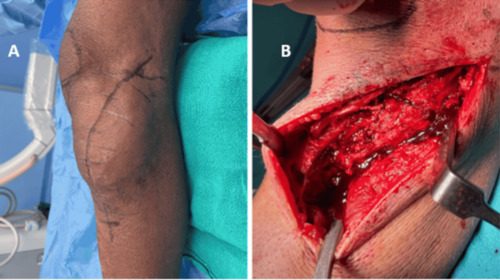
Incision
- Straight longitudinal incision
- Over the shaft of the fibula
Internervous Plane
- Superficially
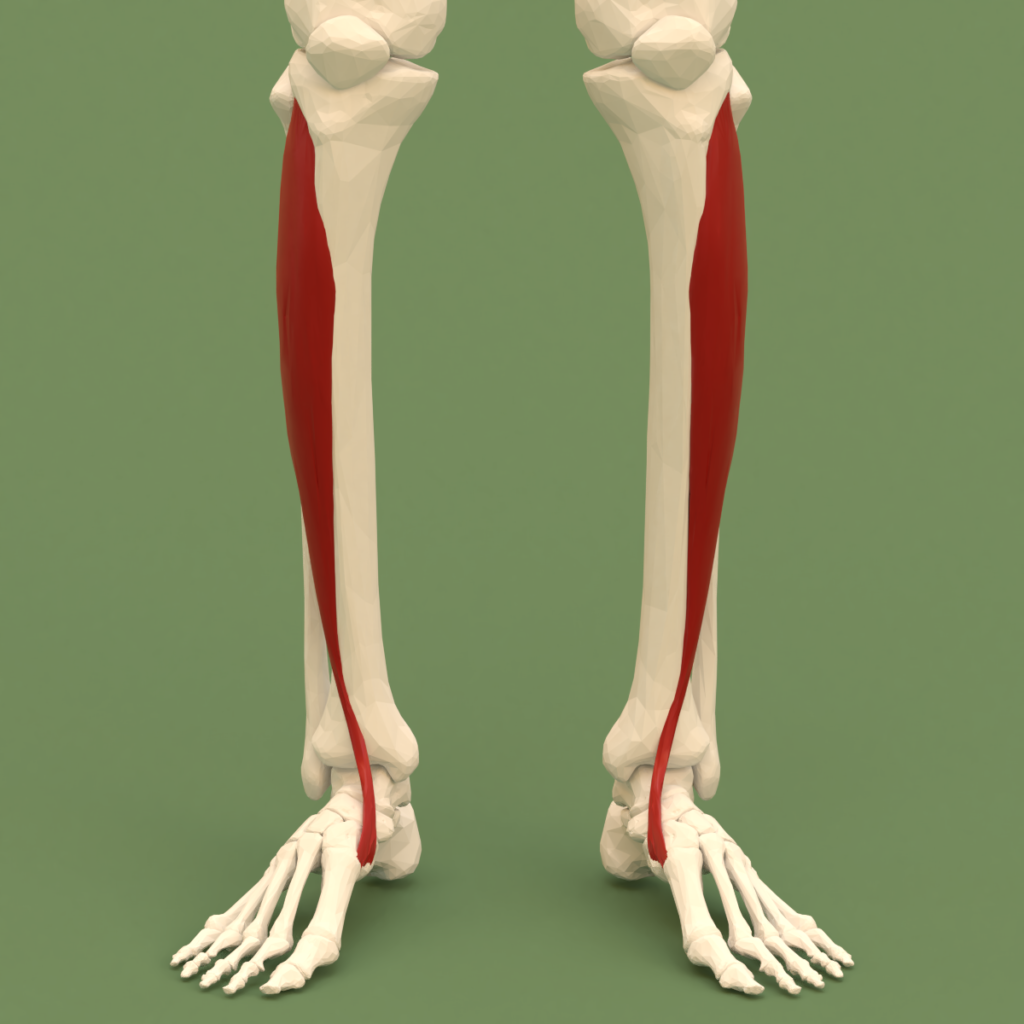
- Peroneus brevis
- Extensor digitorum longus
- Deep
- Tibialis posterior
- Extensors of ankle & foot
- Deep peroneal nerve
Superficial Dissection
- deepen the incision
- taking care not to damage the
- short saphenous vein in the posterior aspect of the wound
- incise fascia
- identify the underlying peroneal muscles
- develop a plane between peroneus brevis & EDL
- taking care not to damage the
- superficial peroneal nerve
Deep Dissection
- gently detach the extensor musculature from the anterior aspect of the interosseous membrane
- follow the anterior aspect of the membrane onto the lateral border of the tibia
Dangers
- Nerves
- Superficial peroneal nerve
- Vessels
- Small saphenous vein
Reviewed by Professor Phong Tran, Head of Orthopaedic Surgery, Western Health. Last updated 10 October 2026.