
Overview
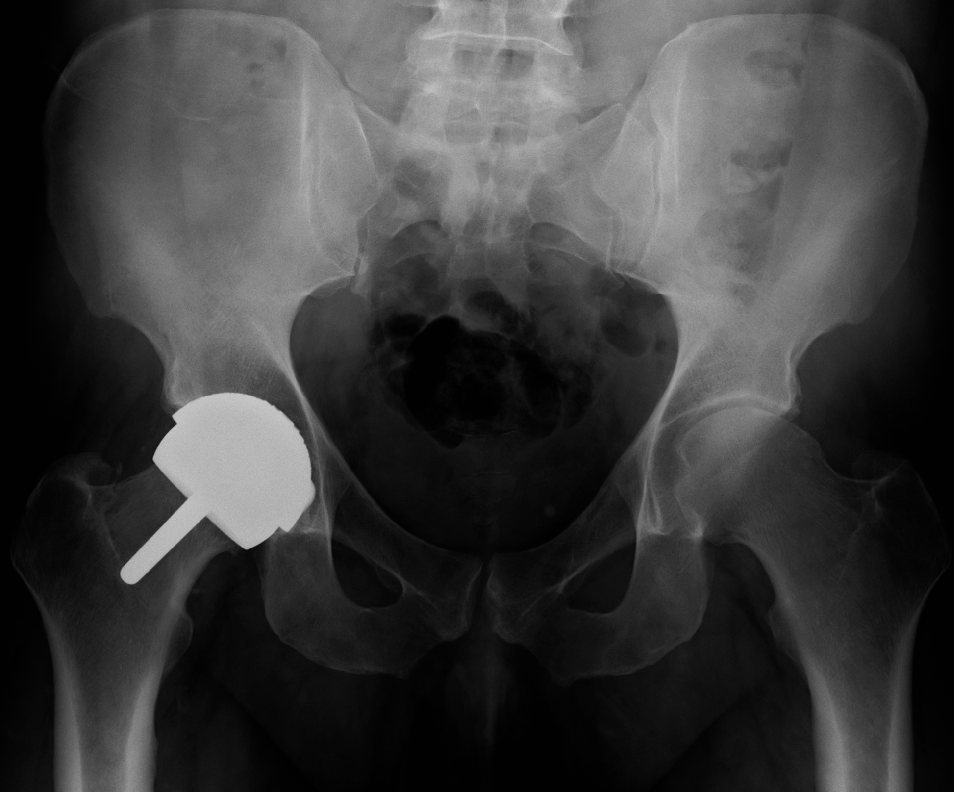
- Second generation resurfacing and large head THR aimed to cut wear and dislocation in young patients
- AOANJRR and other registries showed high revision rates for several designs
- Wear debris causes ARMD, pseudotumour, soft tissue necrosis and raised cobalt and chromium
- Risks are small components, female sex and steep cup inclination
- Regular review with symptoms, blood metal ions and MARS MRI or ultrasound
Epidemiology
- Large head metal on metal and resurfacing were popular in the 2000s
- The AOANJRR and other registries identified high revision rates
- DePuy ASR and ASR XL were recalled in 2010, with very high ASR XL failure
- Better performing resurfacing designs continue in selected men with large heads
Pathology
- ARMD covers metallosis, pseudotumour, ALVAL (type IV hypersensitivity), osteolysis and abductor destruction
- Risks are steep or malverted cups, reduced coverage arc, small components, female sex and dysplasia
- Cobalt toxicity is rare, causing cardiomyopathy, hypothyroidism, neuropathy, visual or hearing loss
- Renal impairment contraindicates these bearings
Investigations
- Whole blood cobalt and chromium, with concern above about 7 micrograms per litre
- Rising serial levels are more significant than one value
- MARS MRI or ultrasound for soft tissue lesions
- Annual review of high risk patients with scores, radiographs, ions and cross-sectional imaging
Management
- Revise early before abductor destruction, as pseudotumour revision outcomes are worse
- Debride while protecting the sciatic and femoral nerves
- Change to ceramic on polyethylene
- Retain a well fixed modular cup with liner exchange, and remove monoblock cups
- Titanium sleeved ceramic head on a retained taper
- Dual mobility or larger heads if instability risk is high
- Follow ions until normal
Guidelines and Consensus
- ACR AC 2023. Noncontrast MRI is usually appropriate for suspected adverse reaction to metal debris around metal-on-metal hip articulations.
References
- Weissman BN, Palestro CJ, Fox MG, Bell AM, Blankenbaker DG, Frick MA, Jawetz ST, Kuo PH, Said N, Stensby JD, Subhas N, Tynus KM, Walker EA, Kransdorf MJ, Expert Panel on Musculoskeletal Imaging. ACR Appropriateness Criteria® Imaging After Total Hip Arthroplasty. J Am Coll Radiol. 2023, 20(11S), S413-S432. PubMed
Registry Data
- AOANJRR Annual Report 2025
- AOANJRR 2025 supplementary report on metal on metal bearings
- AOANJRR 2025 supplementary report on comparative prosthesis performance
Written by Dr Darren Webb, Orthopaedic Registrar
Reviewed by Professor Phong Tran, Head of Orthopaedic Surgery, Western Health. Last updated 17 October 2026.