
Indications
- middle 2/3 of tibia when skin is badly affected & anterior app cannot be used
Principles
- Posterior to Fibula, reflecting FHL
- Along interosseous membrane
- Reflecting tibialis posterior
Position
- Lateral
- Protect bony surfaces
Landmarks
- Lateral border of gastrocnemius
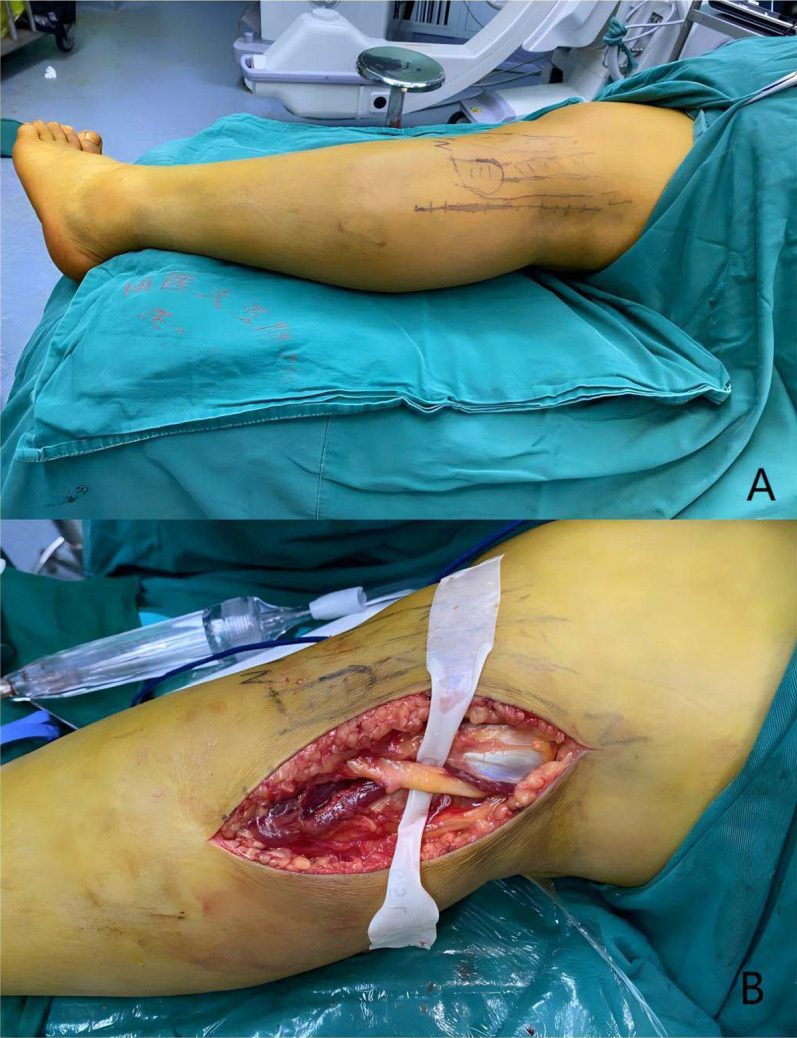
Incision
- Straight longitudinal incision over lateral border of gastrocnemius muscle
Internervous Plane
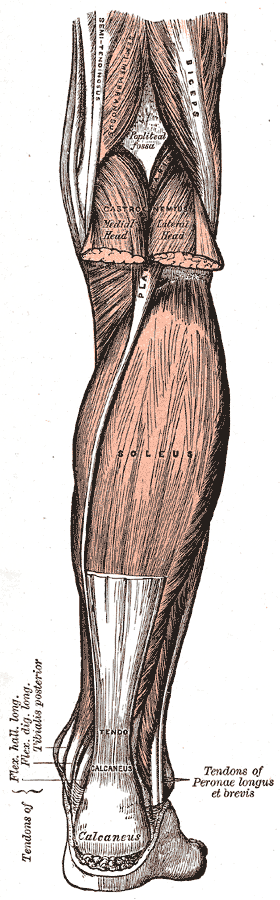
- Gastrocnemius, soleus, FHL
- Peroneal muscles
Superficial Dissection
- Reflect skin flaps
- Taking care not to damage
- Short saphenous vein
- Incise fascia
- Develop the plane between:
- lateral head of gastrocnemius & soleus posteriorly
- peroneal muscles anteriorly
- Encountered
- Muscular branches of peroneal artery lie with peroneus brevis in proximal part & may be ligated
Deep Dissection
- Reflect FHL off the posterior aspect of fibula & retract it posteriorly
- Continue dissection medially across the interosseous membrane detaching fibres of tibialis posterior
- This leads to lateral border of tibia
Dangers
- Nerves
- Vessels
- Short saphenous vein
- Branches of peroneal artery
- Posterior tibial artery
Reviewed by Professor Phong Tran, Head of Orthopaedic Surgery, Western Health. Last updated 10 October 2026.