
- a combined head tilt & rotatory deformity
Clinical
- pain
- vertigo
- CSF obstruction
- Myelopathy
- Torticollis
Aetiology
Osseous types
- Basilar impression – 15% present with torticollis
- Primary
- related to vertebral defects e.g. Klippel Feil, occipital-atlanto fusion
- Secondary
- related to softening of the bone e.g. Osteogenesis Imperfecta, Achondroplasia, NF
- nonoperative treatment of basilar impression is surgical via anterior decompression & fusion
- Primary
- Atlantooccipital
- Occipital cervical synostosis
- Basilar impression
- Odontoid abnormality
- Unilateral absence of C1
- Familial Cervical Dysplasia
- Atlantoaxial Rotatory Displacement – see above
Muscular
- Congenital Muscular Torticollis
- Most common type in infant or small child
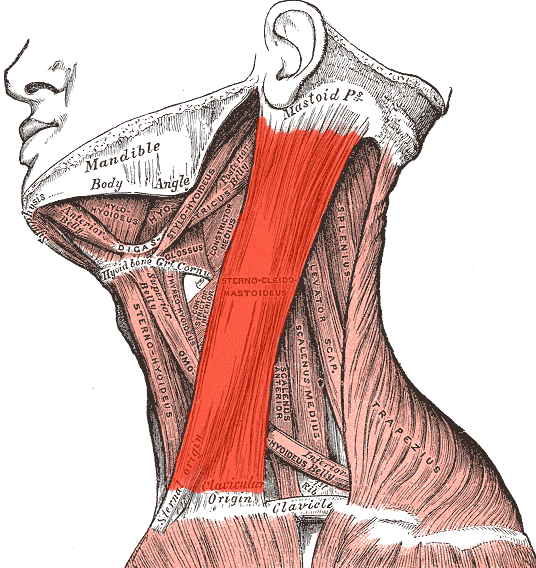
- Theory is “compartment syndrome” of the sternocleidomastoid
- Leads to head tilt & chin rotation
- Frequently associated with DDH
- Facial deformity may occur as the child grows
- Stretching may or may not work – not contraindicated
- Surgery – variable approach with unipolar or bipolar release & lengthening
- Neurologic Type
- Secondary to CNS tumour, syrinx, Arnold Chiari malformation etc
- Secondary to ophthalmologic problem & this being positional
- Sandifer Syndrome
- GER & abnormal posture of the neck usually torticollis
- Usually infant with CP
- Get upper GI studies
Reviewed by Professor Phong Tran, Head of Orthopaedic Surgery, Western Health. Last updated 10 October 2026.