
Definition
- Historical name for chronic multifocal LCH
- Sits between eosinophilic granuloma and Letterer-Siwe disease
- Now multifocal LCH without risk organ involvement
- Pituitary disease is common
Epidemiology
- Young children, most commonly 2 to 6 years
- Also occurs in older children and adults
- Slight male predominance
Clinical Features
- Classic triad of lytic skull lesions, exophthalmos and diabetes insipidus
- Exophthalmos from retro-orbital infiltration
- Diabetes insipidus from pituitary stalk or posterior pituitary infiltration
- Full triad present in only a minority
- Chronic otitis media with mastoid involvement
- Loose teeth from mandibular or maxillary lesions
- Growth failure from anterior pituitary involvement
Investigations
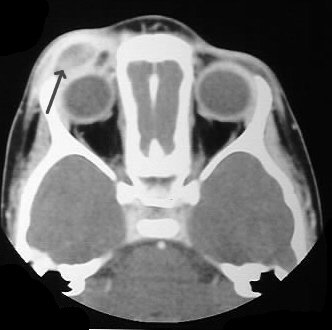
- Punched out skull lesions coalescing into a geographic “map-like” skull
- Bevelled edges give a “hole within a hole” appearance
- Mandibular lesions give “floating teeth”
- Vertebra plana with spinal involvement
- Long bone lesions diaphyseal or metaphyseal with lamellated periosteal reaction
- Skeletal survey, whole body MRI or PET for extent
- MRI brain for the pituitary stalk
- Water deprivation testing for diabetes insipidus
- Biopsy of an accessible lesion confirms diagnosis
Pathology
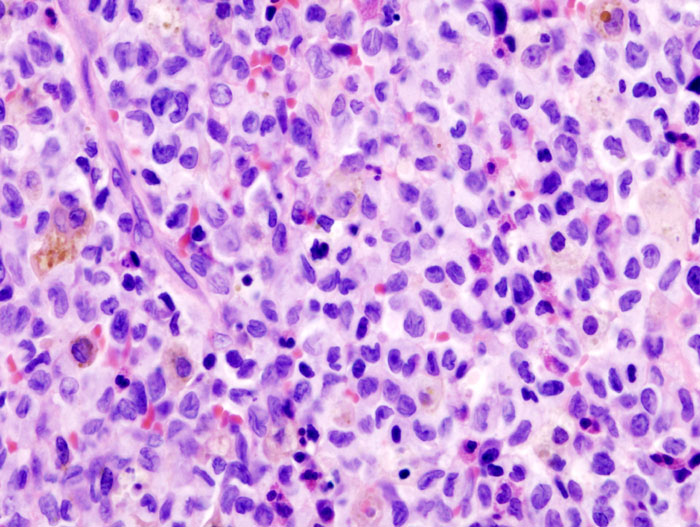
- Langerhans cells with grooved nuclei mixed with eosinophils
- CD1a, langerin (CD207) and S100 positive
- Birbeck granules, with frequent BRAF V600E mutation
Differential Diagnosis
- Osteomyelitis
- Ewing sarcoma and lymphoma
- Metastatic neuroblastoma
- Leukaemia
Management
- Systemic vinblastine and prednisolone for multifocal bone disease
- Skull base, orbit and mastoid lesions are CNS risk lesions needing systemic treatment
- Desmopressin for diabetes insipidus, which is usually permanent
- Vertebra plana managed nonoperatively, with good height restoration in children
- Low dose radiotherapy for selected cases
Prognosis
- Low mortality but frequent reactivation
- Late effects include diabetes insipidus, pituitary deficiency and hearing loss
- Orthopaedic deformity and neurodegenerative LCH also occur
Reviewed by Professor Phong Tran, Head of Orthopaedic Surgery, Western Health. Last updated 10 October 2026.