
Definition
- X linked recessive dystrophinopathy with partially functional dystrophin
Aetiology
- In frame DMD gene deletions produce reduced or truncated dystrophin
Clinical Features
- Weakness less severe than Duchenne with slower progression
- Onset later in childhood or adolescence
- Ambulation preserved beyond 16 years, often into adulthood
- Calf pseudohypertrophy
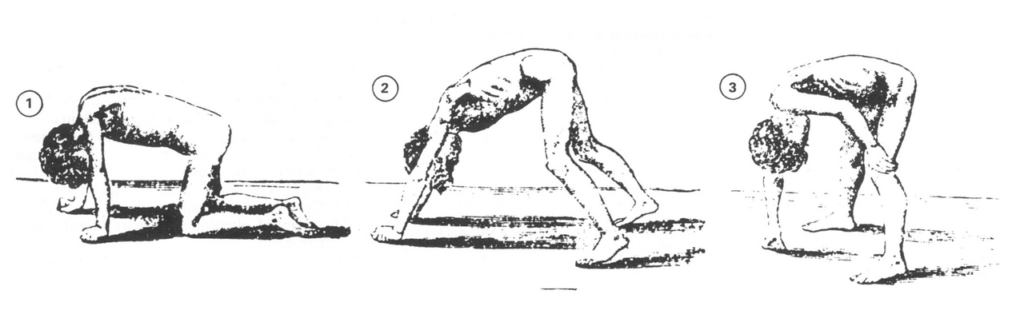
- Gowers sign
- Exercise induced cramps and myoglobinuria
- Foot deformity, including equinus and cavovarus
- Scoliosis, less frequent than in Duchenne
- Cardiac involvement, sometimes out of proportion to limb weakness
Investigations
- CK markedly raised
- Genetic testing for DMD deletions
- Muscle biopsy shows reduced dystrophin staining
- ECG and cardiac MRI
Differential Diagnosis
- Duchenne muscular dystrophy
- Limb girdle muscular dystrophy
- Spinal muscular atrophy type 3
Management
- Physiotherapy and stretching
- AFOs for foot drop and equinus
- Tendo Achilles lengthening
- Tibialis posterior transfer for dynamic varus
- Spinal fusion for progressive scoliosis
- ACE inhibitors and cardiology surveillance
Complications
- Cardiomyopathy is the leading cause of death
- Rhabdomyolysis and hyperkalaemia with suxamethonium and volatile anaesthetics
Reviewed by Professor Phong Tran, Head of Orthopaedic Surgery, Western Health. Last updated 10 October 2026.