
Definition
- Pain at the coccyx, worse with sitting and rising from sitting
- Pain is localised and does not radiate, unlike lumbar radicular pain
- Most common in women in their 40s
Aetiology
- Falls onto the buttocks and childbirth
- Obesity and rapid weight loss
- Coccygeal hypermobility or subluxation
- About five times more common in women
- Idiopathic in about a third
- Bony spicule at the coccygeal tip
- Rarely tumour, infection or referred pain from pelvic organs
Clinical Features
- Point tenderness over the coccyx
- Pain on rising from sitting
- Rectal examination assesses coccygeal mobility and reproduces pain
- Ask about weight loss, night pain and bowel or bladder change
Investigations
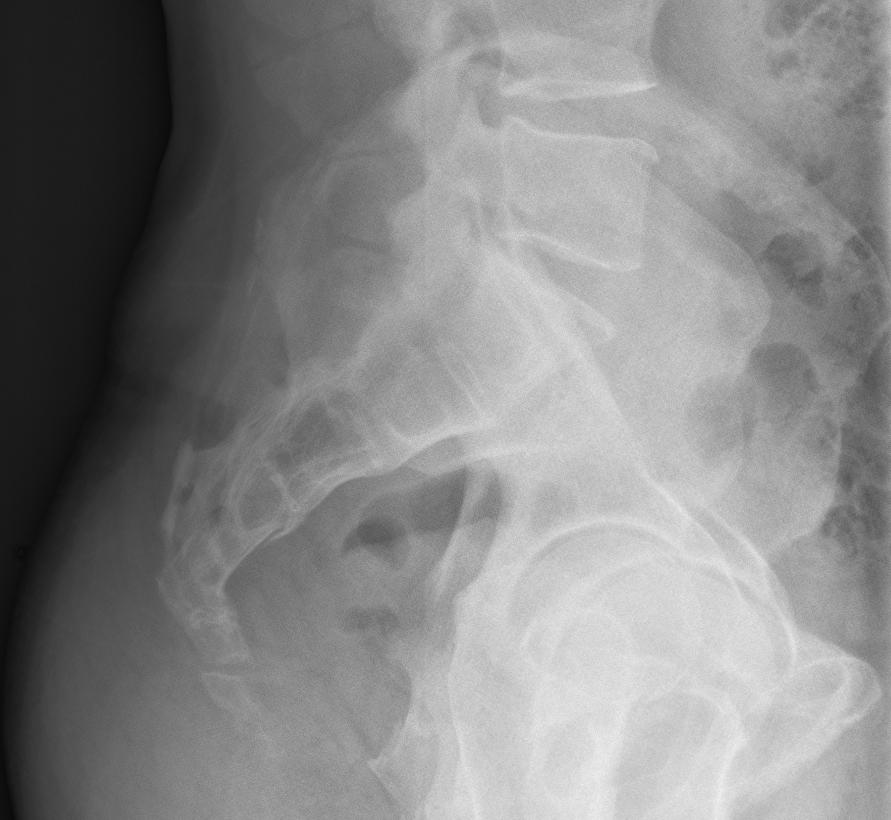
- Dynamic lateral X-rays sitting and standing show hypermobility or subluxation
- MRI to exclude tumour such as chordoma, and infection
- Flexion of more than 25 degrees between sitting and standing films suggests hypermobility
- Bone scan or SPECT CT is rarely needed
Management
- Wedge or cut-out cushion
- NSAIDs and physiotherapy with manual therapy
- Local anaesthetic and steroid injection
- Ganglion impar block
- Coccygectomy for refractory cases, good results in selected patients but wound infection risk
- Most patients settle with non-operative care over weeks to months
- Ganglion impar block can be repeated
- Recovery after coccygectomy takes 3 to 12 months
Reviewed by Professor Phong Tran, Head of Orthopaedic Surgery, Western Health. Last updated 10 October 2026.