
Definition
- Heritable connective tissue disorders with defective collagen formation or processing
Classification
The 2017 international classification lists 13 types
| Type | Features |
|---|---|
| Hypermobile | Most common, no identified gene |
| Classical | COL5A1 or COL5A2 mutations |
| Vascular | COL3A1 mutations |
| Kyphoscoliotic | PLOD1 or FKBP14 mutations |
Clinical Features
- Hyperextensible joints
- Hyperelastic, fragile skin with atrophic scars
- Easy bruising
- Soft tissue and bony fragility
- Blue sclera in some types
- Hernias
- Recurrent dislocation of shoulder, patella and other joints
- Scoliosis
- Chronic pain and fatigue in the hypermobile type
- Vascular type risks arterial, bowel and uterine rupture
Investigations
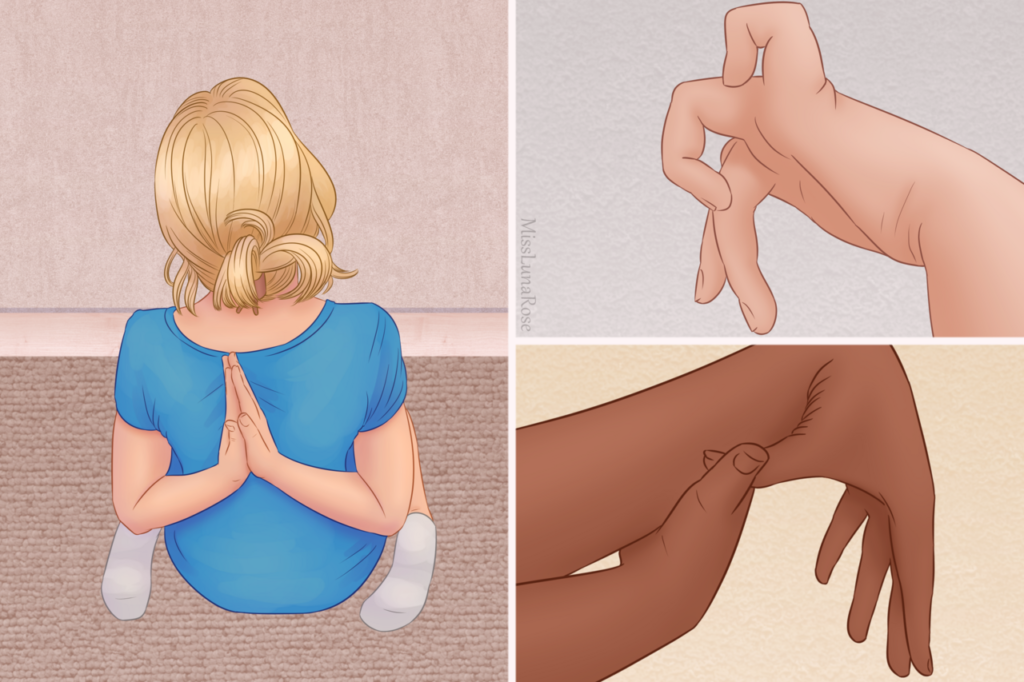
- Beighton score out of 9 for hypermobility
- Genetic testing for all types except hypermobile
- Echocardiography for aortic root dilatation
Differential Diagnosis
- Marfan syndrome
- Loeys-Dietz syndrome
- Osteogenesis imperfecta
- Benign joint hypermobility
Management
- Physiotherapy for proprioception and muscle strengthening
- Bracing and activity modification
- Stabilisation surgery has high failure and recurrence rates
- Bony procedures outperform soft tissue repairs for instability
- Meticulous wound closure with sutures left longer
- Vascular type needs careful handling of tissues and vascular surgery backup
Complications
- Wound dehiscence
- Haemorrhage
- Recurrent instability after surgery
Reviewed by Professor Phong Tran, Head of Orthopaedic Surgery, Western Health. Last updated 10 October 2026.